 Skip to main content

How Real-Time Warehouse Visibility Is Transforming 3PL Operations
The logistics industry is evolving rapidly, and customer expectations continue to increase every year. Businesses now expect faster shipping, accurate inventory tracking, and instant updates throughout the fulfillment process. To meet these demands, modern 3PL providers are investing heavily in real-time warehouse visibility and digital warehouse operations.
Real-time warehouse visibility allows businesses to monitor inventory, orders, shipments, and warehouse activity instantly through connected systems and modern technology. Instead of relying on delayed reports or manual spreadsheets, businesses can access live operational data at any time.
For 3PL providers, this technology improves efficiency, reduces errors, and creates a better overall customer experience.
Why Real-Time Visibility Matters
1. Faster Order Fulfillment
Speed is critical in today’s supply chain environment, especially with the continued growth of e-commerce. Real-time warehouse systems help staff quickly locate products, prioritize urgent orders, and reduce delays in picking and packing processes. This allows orders to move through the warehouse more efficiently and reach customers faster.
2. Improved Inventory Accuracy
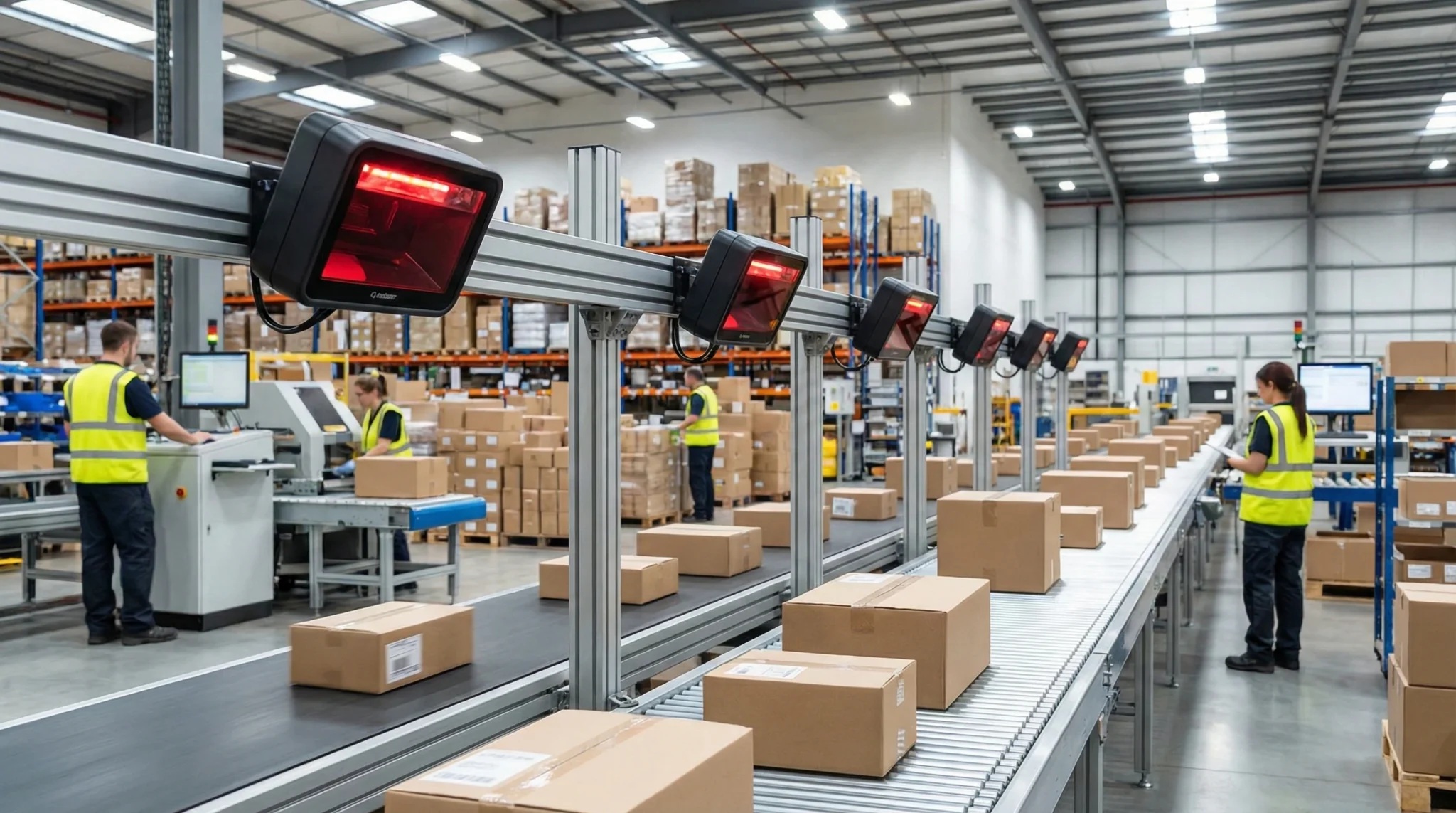
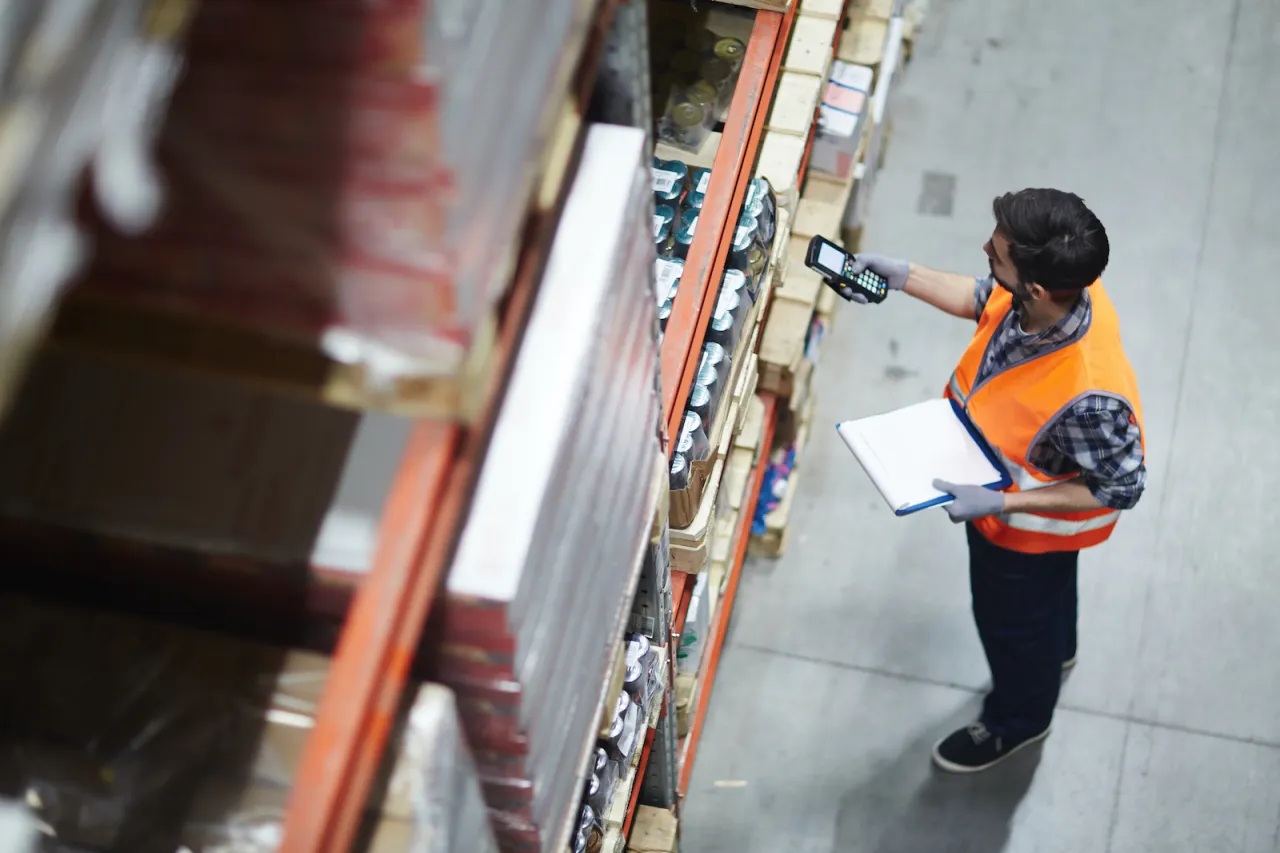
Inventory accuracy is one of the most important aspects of warehouse management. Technologies like barcode scanning, RFID tracking, and Warehouse Management Systems (WMS) help reduce human error and maintain accurate inventory counts at all times. Better inventory accuracy helps businesses avoid stock shortages, overselling, and unnecessary storage costs.
3. Better Customer Communication
Modern customers expect transparency and regular updates. Real-time systems allow clients to instantly access shipment statuses, inventory availability, receiving confirmations, and tracking details. This improves communication between logistics providers and customers while reducing the need for constant follow-up emails and manual reporting.
4. Smarter Operational Decisions
Warehouses generate valuable operational data every day. By analyzing this information, businesses can identify shipping trends, improve labor efficiency, optimize warehouse space, and better prepare for seasonal demand spikes. Access to real-time data helps companies make more informed decisions that improve overall performance.
5. Technologies Driving Modern Warehousing
Several technologies are helping transform the logistics industry and improve warehouse visibility, including:
- Warehouse Management Systems (WMS)
- Barcode and RFID scanning technology
- Cloud-based inventory platforms
- ERP and e-commerce integrations
- Automation and IoT-enabled devices
These tools work together to create more connected, accurate, and efficient warehouse operations.
The Future of 3PL Operations
As supply chains continue evolving, real-time visibility is becoming an industry standard rather than a competitive advantage.
Warehouses that invest in technology and operational efficiency will be better prepared to:
- Scale operations efficiently
- Handle increasing order volumes
- Improve customer satisfaction
- Reduce operational costs
- Improve shipment accuracy
- Respond faster to supply chain disruptions
Digital transformation will continue playing a major role in the future of warehousing and fulfillment operations.
Final Thoughts
The demand for speed, transparency, and accuracy in logistics continues to grow. Real-time warehouse visibility gives 3PL providers the tools they need to improve operational efficiency, reduce errors, and provide better service to their customers.
At Lane Logistics, we continue focusing on modern logistics solutions and operational efficiency to help businesses move products smarter, faster, and more reliably.